
When it comes to decorating and updating your home’s walls, two options stand out: wallpaper and paint. Both have their unique advantages, styles, and challenges. But how do you decide which one is the best fit for your space? If you’re asking yourself “Wallpaper vs. painting – which one should you choose?”, this guide will help you weigh the pros and cons of both options to make an informed decision.
In the ongoing debate of wallpaper vs. painting, understanding the differences can help you achieve the aesthetic you desire while considering practical factors like budget, durability, and maintenance. Let’s explore the key points to consider.
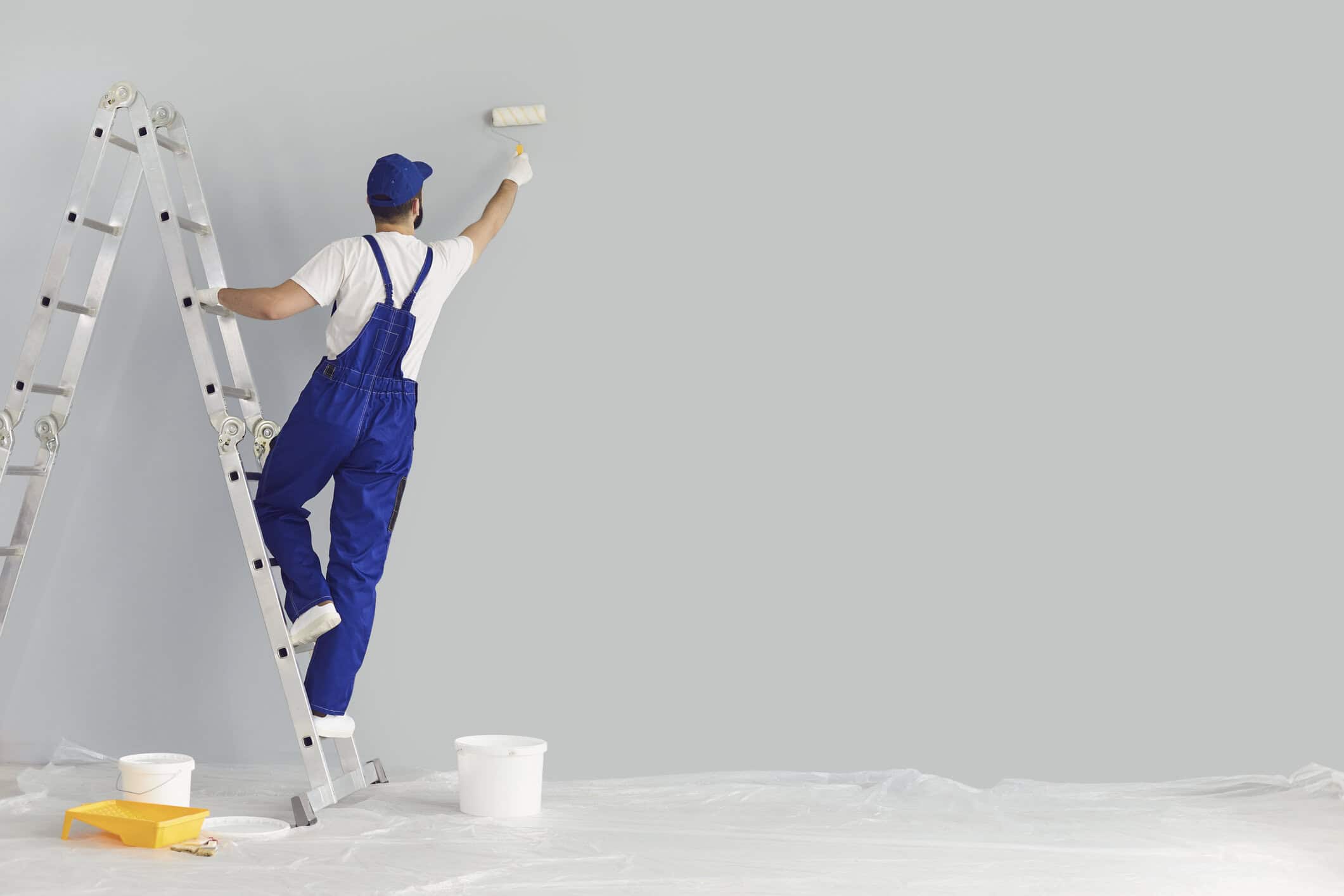
Building contractor painting grey wall with roller brush, copy space text. Back view of young construction worker renovating house
1. Aesthetic Appeal and Style Options
Wallpaper: One of the biggest advantages of wallpaper is its wide variety of patterns, textures, and designs. From floral motifs and geometric patterns to textured finishes like grasscloth or embossed styles, wallpaper offers endless creative possibilities. It’s an excellent choice if you want to add a bold statement or create a feature wall.
Painting: Paint provides a clean, timeless look and is highly customizable with virtually unlimited color options. You can achieve smooth, matte, satin, or glossy finishes, and even use techniques like color blocking, ombre, or faux finishes. Painting is a versatile option that works well in contemporary and traditional interiors alike.
Which to choose? If you prefer intricate patterns, textures, or themed designs, wallpaper might be your best bet. For a sleek, minimalist, or classic look, painting offers simplicity and elegance.
2. Durability and Maintenance
Wallpaper: Modern wallpapers are more durable than ever, especially vinyl or washable varieties. They can resist stains and are relatively easy to clean with a damp cloth. However, wallpaper can be difficult to remove, especially if applied heavily or with older adhesive types. Peeling or tearing can occur over time, particularly in high-traffic or humid areas.
Painting: Painted walls are generally easy to touch up and repaint. They tend to be resistant to scratches and scuffs if high-quality paint is used. However, painted surfaces can stain or show marks more readily, especially in high-traffic zones like hallways or kitchens. Regular cleaning with mild soap and water keeps painted walls looking fresh.
Which to choose? For high-traffic areas or spaces prone to stains, washable paint may be more practical. For areas where longevity and ease of cleaning are priorities, durable wallpaper can be an excellent choice.
3. Installation and Removal
Wallpaper: Installing wallpaper requires patience, skill, and proper tools. It can be time-consuming and may involve applying adhesive, aligning patterns, and smoothing out air bubbles. Removing wallpaper can be labor-intensive, especially if it’s an older or vinyl type glued tightly to the wall.
Painting: Painting is generally quicker and less complex to execute. With proper preparation—cleaning, taping, and priming—walls can be painted smoothly within a day or two. Repainting or touch-ups are simple and usually involve just applying a fresh coat of paint.
Which to choose? If you want a quick update and prefer an easier process, painting is typically more straightforward. But if you desire a decorative feature or textured finish, wallpaper may be worth the extra effort.
4. Cost Considerations
Wallpaper: High-quality wallpaper can be more expensive upfront, especially for intricate patterns or textured designs. Installation costs can also add up if professional help is needed. However, because wallpaper can last for years with proper care, it may be cost-effective in the long run.
Painting: Painting generally has a lower initial cost, especially if you do it yourself. Premium paints and professional labor can increase expenses, but overall, painting tends to be more budget-friendly for large projects.
Which to choose? If your budget is tight, painting offers a more economical route. For a luxurious or textured look that lasts for many years, investing in quality wallpaper might be worthwhile.
5. Longevity and Upkeep
Wallpaper: Well-installed, high-quality wallpaper can last 10 years or more before needing replacement. It’s resistant to fading and can hide minor wall imperfections. However, damage or stains might require partial replacements or repairs.
Painting: Depending on the quality of the paint and surface preparation, painted walls typically last 5-10 years. Repainting is straightforward and allows you to update your color scheme over time.
Which to choose? For longevity, wallpaper offers durability, especially in low-humidity areas. Painting provides flexibility for changing styles and colors more frequently.
6. Ideal Spaces for Wallpaper and Paint
Wallpaper: Best suited for accent walls, dining rooms, bedrooms, or any space where you want to make a statement. It’s also ideal in areas with less moisture, as humidity can affect some wallpaper types.
Painting: Perfect for entire rooms, ceilings, and high-moisture areas like kitchens and bathrooms (with the right paint). It’s also suitable for creating a seamless, clean look across multiple rooms.
Conclusion
Wallpaper vs. painting – which one should you choose? The answer depends on your style preferences, budget, and the specific needs of your space. If you’re looking for texture, patterns, and a dramatic statement, wallpaper offers unparalleled design options. If you prefer a simple, versatile, and cost-effective solution, painting is the way to go.
Pro Tip: You can also combine both! Use wallpaper on an accent wall and paint the remaining walls for a balanced, stylish look.
Ultimately, the best choice aligns with your personal style, functional needs, and long-term vision. Whether you opt for stunning wallpaper murals or a fresh coat of paint, transforming your walls is a fantastic way to enhance your home’s beauty and personality.