
That paint chip looks perfect in your hand. But here’s where most Centre Hall homeowners get stuck: what sheen do you actually need? Choosing the best paint finish for interior walls goes beyond picking a color. The finish determines whether your walls handle daily life, how easy cleanup will be, and whether imperfections stay hidden or become obvious.
Understanding satin vs matte paint before you start saves headaches later. Each finish has strengths that work better in certain rooms, and picking the wrong one means repainting sooner than planned.
The Real Reason Sheen’s Selection Matters
Most people shopping for paint fixate on color swatches. But ask any professional house painter what mistake they see most often, and they’ll mention sheen selection. Comparing satin vs matte paint matters because the wrong choice affects wall durability and how colors actually look once dry.
Finding the best paint finish for interior walls requires matching it to how each room is used. A bedroom and a kitchen have different demands. Interior house painting projects that ignore sheen often look great initially, then start showing problems.
Why Satin Performs Well
Where Satin Falls Short
Why Matte Performs Well
Where Matte Falls Short
Satin vs Matte Paint: Direct Comparison
| Factor | Satin Paint | Matte Paint |
|---|---|---|
| Appearance | Soft glow that brightens rooms but reveals wall flaws | Light-absorbing finish that hides imperfections, colors look deeper and richer |
| Durability | Stronger and more flexible thanks to higher resin levels | Less resilient, wears down faster in busy spaces |
| Cleaning | Handles wiping and light scrubbing without damage | Cleaning attempts often remove paint with the dirt |
| Cost | Roughly $6 more per gallon, but holds up longer where it counts | Easier on the budget upfront, may need earlier repainting |
| Best Use | Kitchens, bathrooms, hallways, kids’ rooms, woodwork, cabinets | Bedrooms, formal living spaces, dining rooms, ceilings |
Picking the Best Paint Finish for Interior Walls
The decision between satin vs matte paint gets easier when you answer three questions:
When Hiring a Professional House Painter Makes Sense
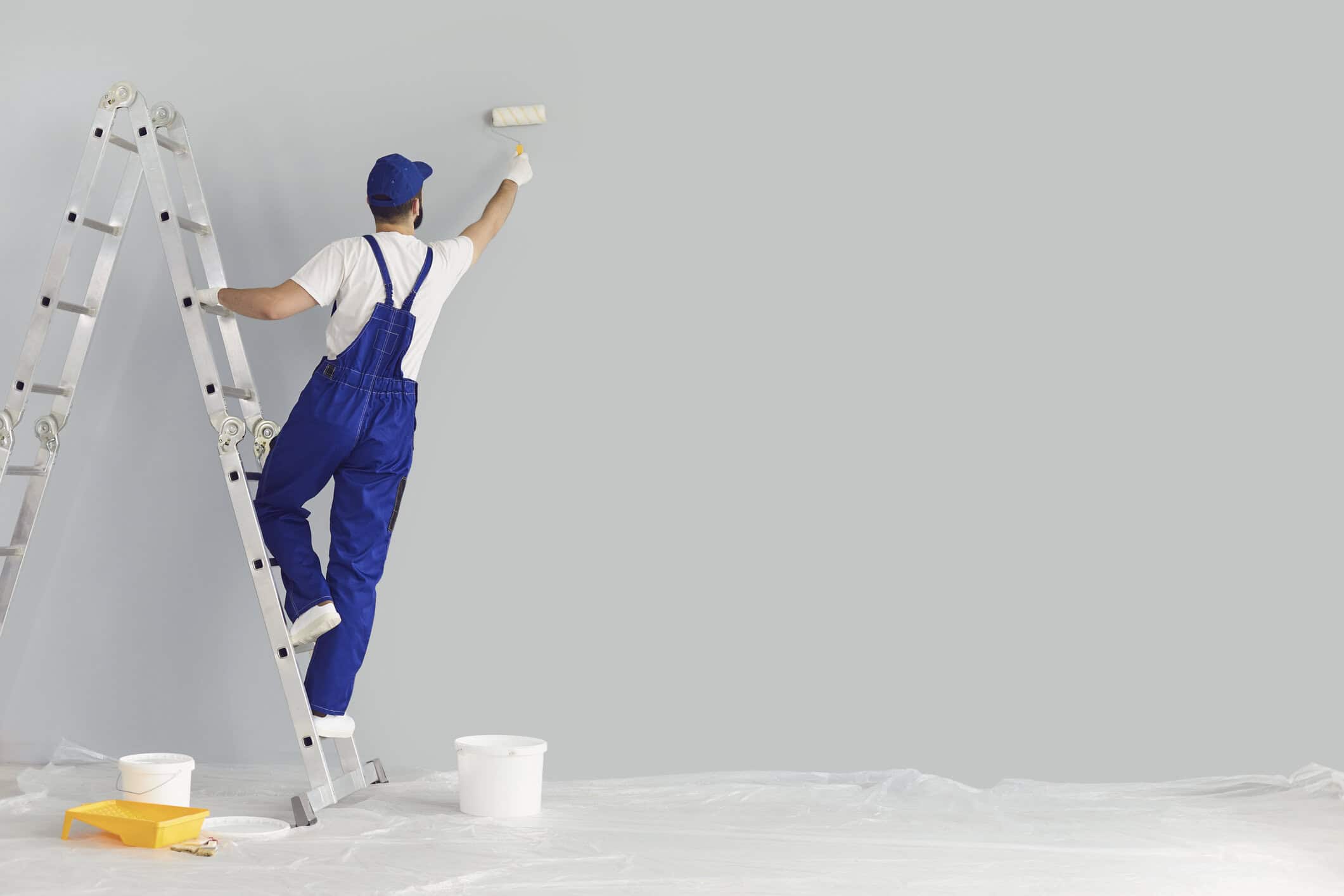
Simple touch-ups might be weekend projects. But full-room repaints in older Centre Hall homes often go more smoothly with professional help.
Interior house painting pros understand how different finishes behave on various surfaces. They know prep techniques that make any sheen look its best. An interior painter can spot potential problems before paint goes on the wall.
Working with an interior house painting team means getting personalized advice on satin vs matte paint for each room. They suggest the best paint finish for interior walls throughout your home.
Your Walls Deserve the Right Finish
Now you understand what separates satin vs matte paint and how to choose between them. Selecting the best paint finish for interior walls depends on the room, your walls, and how you live in the room.
Ready to refresh your Centre Hall home? Marker Enterprises helps homeowners make confident paint decisions. Our interior painting crew handles interior house painting from start to finish.